
Why are pigs used in pig model preclinical research?
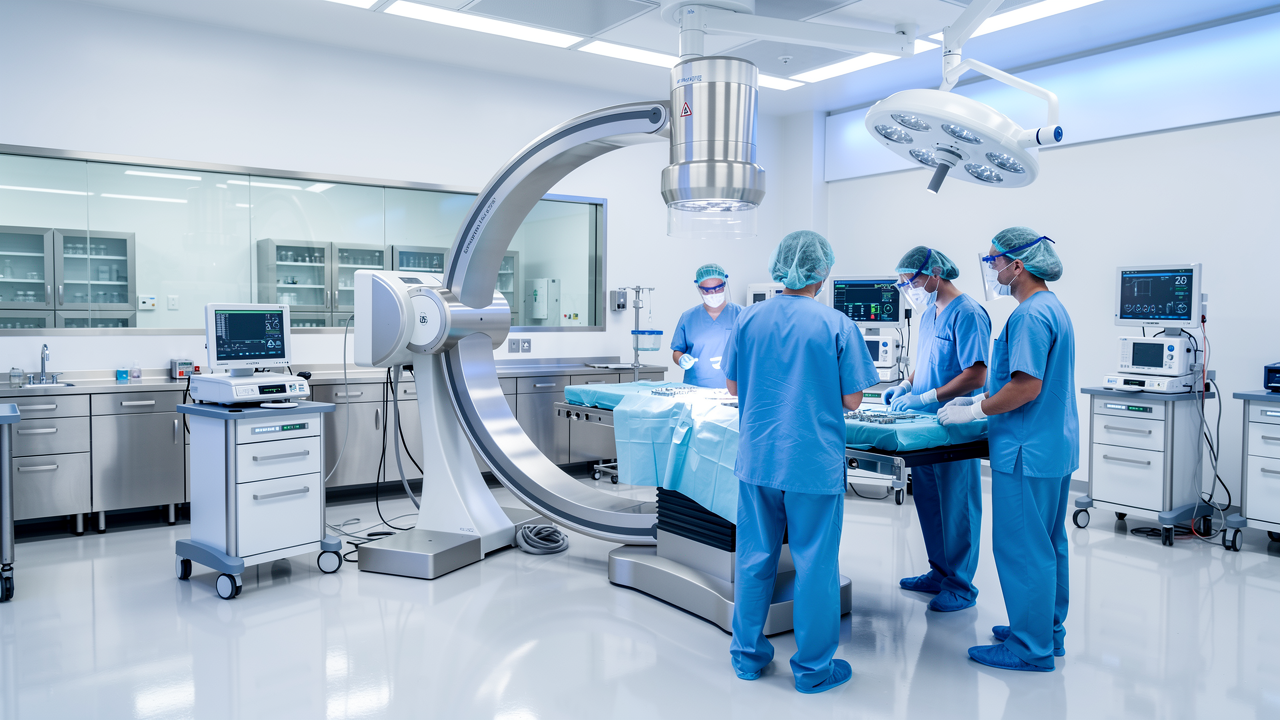
Researchers turn to pigs when the question is whether a drug, device, or surgical technique will actually work inside a human body, not just in a dish. Why pig models are ideal for cardiovascular and GI preclinical studies comes down to one simple fact: swine organs sit in roughly the same size range as human organs, while a mouse or rat does not. That size match matters because catheters, stents, staplers, and imaging protocols built for hospital patients can be tested directly on a pig without scaling anything down first. Rodent studies still answer basic biology questions cheaply and quickly. But once a therapy needs to move toward a regulatory filing, sponsors need an animal whose organ size, blood volume, and tissue response predict what happens in a clinical trial. Pigs fill the gap between the bench and the clinic, acting as the last realistic checkpoint before human dosing or implantation begins.
How similar is a pig heart to a human heart?
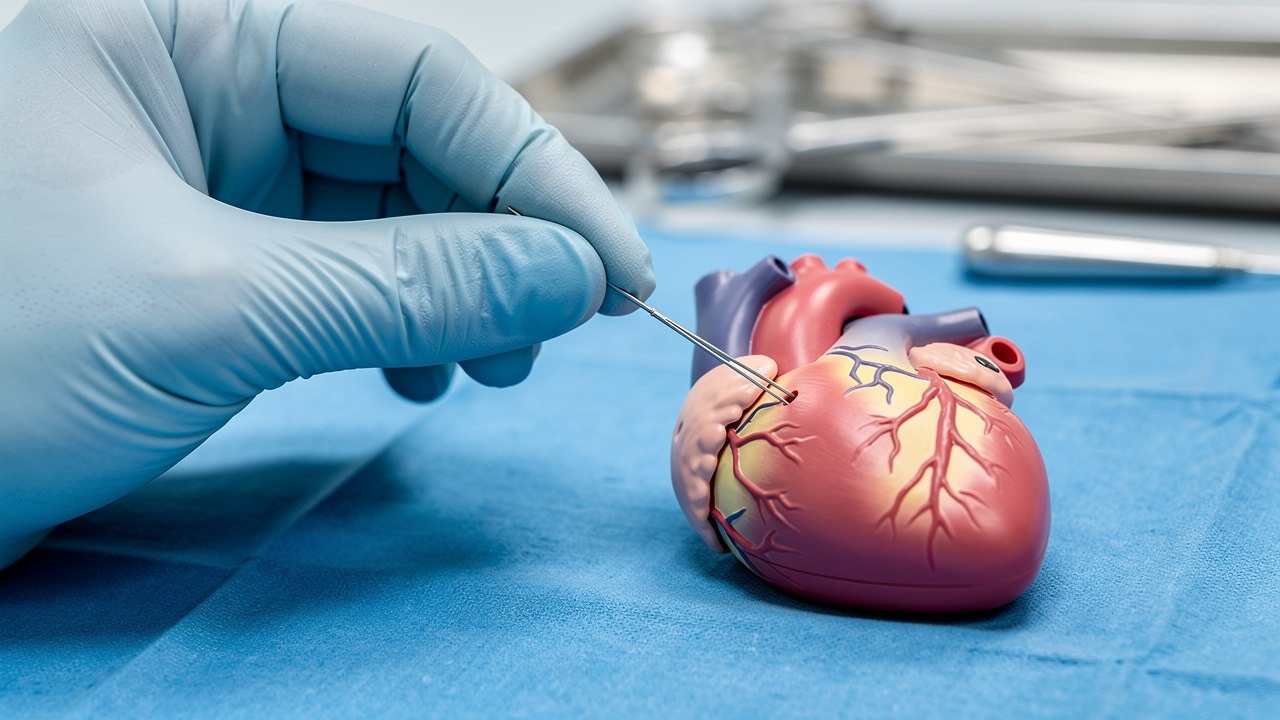
Cardiologists comparing a pig heart to a human heart tend to focus on the same details a surgeon would notice on an operating table: chamber size, wall thickness, and how the coronary arteries branch out. The two organs are close enough in structure that a pig heart can substitute for early testing of valves, stents, and pacemaker leads meant for adult patients.
Why scale changes preclinical outcomes
A pig heart is measured in centimeters, not millimeters, and that detail is what makes it useful rather than just interesting. Standard clinical catheter guide wires, contrast imaging systems, and surgical instrument sets built for a cath lab fit a pig's vasculature without modification. A cardiology team testing a new coronary device can run the exact equipment and technique planned for a human procedure room, instead of building a scaled-down version just for animal testing. Surgical training programs use this overlap too, letting trainees practice catheter-based procedures on tissue that responds like a real patient under anesthesia.
Detailed physiological similarities
Beyond size, pigs and humans share hemodynamic patterns, resting heart rates in a comparable range, and myocardial metabolic pathways that respond to ischemia in similar ways. That overlap lets cardiovascular researchers extrapolate drug and device performance with more confidence than any rodent model could offer.
Why are pig models ideal for cardiovascular preclinical studies?
A widely cited Nature Lab Animal review points to swine as the anatomical and functional benchmark for validating new cardiovascular therapies before they reach clinical trials. Sponsors running a coronary intervention model or a cardiac safety study lean on pigs because the anatomy holds up under repeated intervention, and the physiological response to stress or injury tracks closely with what shows up in human patients.
Myocardial infarction and ischemia models
Researchers replicate heart attacks in pigs through balloon catheter occlusion or permanent coronary ligation, creating ischemia models that mimic how a real heart attack unfolds and how tissue tries to recover afterward. Because the disease progression looks so much like the human version, these models let teams test rescue therapies and timing windows with results that translate.
Cardiovascular device testing and surgical training
Coronary implants, stents, and catheter-based tools go through cardiovascular device testing on pigs long before a single human patient sees them. Surgical teams also use the same setups for training, practicing catheter-based techniques on tissue that reacts the way a hospital patient would.
How similar is the pig GI tract to the human GI tract?
The pig gastrointestinal model mirrors human digestive architecture closely enough that transit times and absorption patterns line up in ways rodent models cannot match, a point covered in a widely cited digestive disease research review. Salivary amylase activity, nutrient absorption windows, and the general layout of the stomach and intestine follow a pattern much closer to a human diet than what shows up in a mouse. That is part of why gut physiology models built on pigs consistently outperform small animal models when the goal is predicting how a new therapy or device will behave inside an actual human digestive system.
Which gastrointestinal conditions can be studied in pigs?
A preclinical GI study built around pigs can cover a surprising range of human digestive disease, from a short bowel syndrome model to a mesenteric ischemia model and a gut microbiota model examining how bacterial populations shift after injury or surgery.
Intestinal injury and ischemia
Research teams create acute intestinal injury through vascular strangulation, then study how the tissue responds to gut reperfusion strategies once blood flow returns. The pig gut reacts to this kind of insult in a pattern close enough to human injury that findings carry weight for surgical planning.
Short bowel syndrome and malabsorption
After extensive surgical resection, investigators track bowel adaptation, test nutritional therapies, and watch for mucosal recovery over the following weeks. Because pig intestine adapts on a timeline and through mechanisms similar to human tissue, these studies inform real treatment protocols for patients living with short bowel syndrome.
What should researchers consider before choosing a pig model?
Before committing a budget to a swine program, sponsors need to weigh a handful of practical variables, the same way a broader translational medicine guidelines review lays out planning, husbandry, and species selection. The first decision usually comes down to standard farm pigs versus miniature pigs, since each option changes growth rate, housing footprint, and how long a study can realistically run.
| Variable | Standard farm pig | Miniature pig |
|---|---|---|
| Growth rate | Fast, reaches large size within weeks | Slow, stays manageable for months |
| Adult weight | Can exceed 100 kg | Typically under 50 kg |
| Housing needs | Larger pens, higher feed volume | Smaller footprint, easier long-term care |
| Typical study length | Better for short, acute procedures | Better for chronic or repeat-dosing studies |
Pigs demand intensive housing, specialized veterinary oversight, and handling protocols that a mouse colony never requires, so the benefits of translational accuracy come with real logistical weight that has to be planned for early, not discovered mid-study.
Are pig models better than rodent models for every preclinical study?
No. Rodents remain useful for early screening and basic biology questions, while pigs become valuable once a program needs organ-scale or device-level validation before human trials.
How long does a typical porcine cardiovascular study take?
Timelines vary by protocol, but device testing and ischemia studies often run several weeks to allow for recovery periods and follow-up imaging.
Can miniature pigs replace standard farm pigs in every study?
Not always. Miniature breeds suit long-term or repeated-dosing studies where slower growth helps, while standard pigs suit acute procedures that need full adult organ scale.
What makes pig GI research different from GI research in dogs or primates?
Pig digestive anatomy and transit time track closer to human patterns than dog models, while also avoiding some of the ethical and cost barriers tied to primate studies.
About the Business
Biotech Farm operates as a preclinical contract research organization offering research and development services for medical devices, pharmaceuticals, and biologicals to biotech, medtech, and pharmaceutical companies across Israel and internationally. Their teams focus on early-stage research designed to move new healthcare products through the translational steps that regulators expect to see before any clinical trial begins. For investigators seeking reliable results, choosing established pig large animal models is the key to proving safety and efficacy before clinical design.