
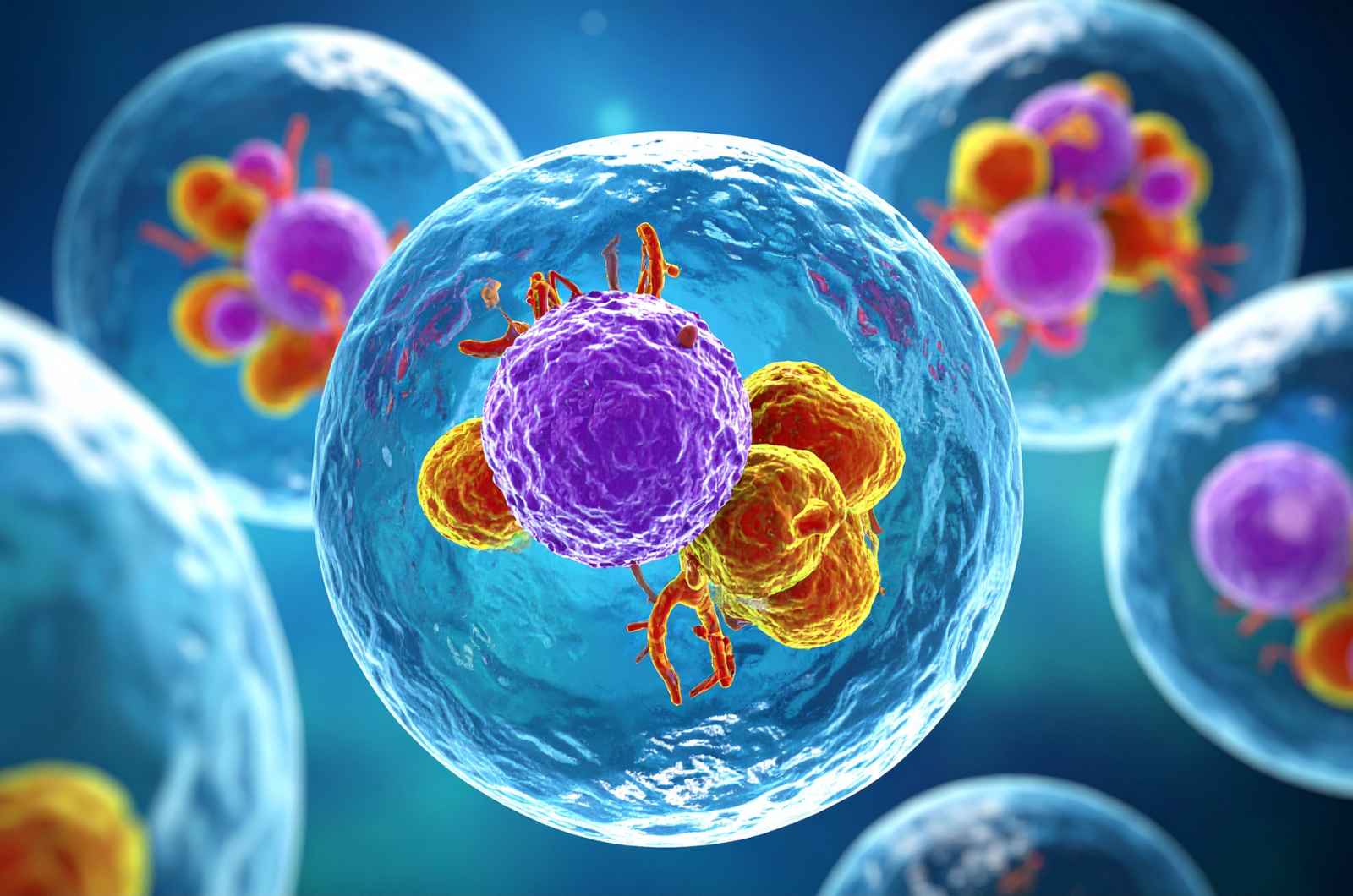
Cell-based assays have emerged as a transformative methodology in modern drug discovery, enabling researchers to evaluate compound efficacy, toxicity, and mechanism of action using living human cells rather than relying solely on animal models. These laboratory techniques measure quantitative cellular effects of drugs, biomolecules, and chemicals in culture environments, providing physiologically relevant data that more accurately predicts clinical outcomes in humans. The global cell-based assays market demonstrates this growing significance, with industry valuations reaching approximately 35.3 billion dollars in 2024 and projections indicating growth to 56.3 billion dollars by 2029, reflecting a compound annual growth rate of 9.8 percent according to recent market analyses.
The biotechnology and pharmaceutical industries increasingly recognize that traditional animal testing faces significant translational limitations. Research indicates that more than 90 percent of drug candidates appearing safe and effective in animal studies ultimately fail to receive regulatory approval due to safety or efficacy failures in human trials. This disconnect between preclinical animal data and clinical outcomes has driven substantial investment in cell-based alternatives that offer superior predictive accuracy for human responses.
What Makes Cell-Based Assays Superior to Traditional Testing Methods?
Cell-based assays provide several distinct advantages over conventional testing approaches that have positioned them as essential tools throughout the drug development pipeline. Unlike biochemical assays that examine isolated molecular interactions, cell-based methods capture the full complexity of cellular responses within a physiological context. This enables researchers to assess how compounds interact with intact cellular machinery, including membrane receptors, intracellular signaling cascades, and metabolic pathways that collectively determine therapeutic outcomes.
The methodology encompasses diverse applications spanning proliferation assessment, cytotoxicity evaluation, apoptosis detection, cell migration analysis, and metabolic activity measurement. High-throughput screening formats allow pharmaceutical companies to evaluate thousands of compounds rapidly, accelerating the identification of promising lead candidates. Flow cytometry, high-content screening, and real-time cell analysis technologies have further enhanced the information density obtainable from these assays, providing multidimensional data on cellular phenotypes and responses.
Emerging biopharma companies, which now originate approximately 85 percent of novel drug launches according to industry data, rely heavily on cell-based screening during early discovery phases. The accessibility and cost-effectiveness of these assays compared to maintaining extensive animal facilities makes them particularly valuable for resource-constrained organizations pursuing innovative therapeutic approaches.
How Are Regulatory Agencies Embracing Non-Animal Testing Methodologies?
The regulatory landscape has undergone significant transformation regarding acceptance of cell-based alternatives. The FDA Modernization Act of 2022 eliminated the mandatory requirement for animal testing in investigational new drug applications, explicitly authorizing cell-based assays, microphysiological systems, and computational models as equally valid evidence for safety and efficacy evaluation. This legislative change marked a watershed moment in pharmaceutical regulation.
In April 2025, the FDA announced its roadmap for reducing and ultimately replacing routine animal toxicity studies, prioritizing new approach methodologies including organ-on-chip systems, organoid-based testing, and artificial intelligence computational models. The agency aims to make animal studies the exception rather than the norm within three to five years. This policy shift initially focuses on monoclonal antibodies and biologics before expanding to other therapeutic classes.
Public sentiment strongly supports this transition, with surveys indicating that more than 85 percent of adults favor phasing out animal experiments in favor of modern methodologies. The convergence of scientific advancement, regulatory evolution, and societal preference creates unprecedented momentum for cell-based testing adoption across the pharmaceutical industry.
What Types of Disease Models Can Cell-Based Assays Replicate?
Cell-based assays now replicate an extensive range of disease models that were previously achievable only through animal experimentation. Cancer research applications have proven particularly robust, with assays measuring anti-proliferative effects, apoptosis induction, and determination of half-maximal effective concentrations that characterize compound potency. These models enable screening of anti-cancer drug candidates against diverse tumor cell lines representing various malignancy types and genetic backgrounds.
Wound healing assays, also termed scratch assays, measure collective cell migration by introducing defined gaps in confluent monolayers and monitoring closure rates over time. This methodology has applications spanning dermatology, regenerative medicine, and oncology research examining metastatic potential. The technique enables quantitative assessment of how compounds affect cellular motility, providing insights relevant to tissue repair processes and cancer progression.
Inflammation models utilizing immune cell lines and cytokine release assays support development of immunomodulatory therapeutics. Metabolic disorder research employs hepatocyte and adipocyte cultures to evaluate effects on glucose metabolism, lipid accumulation, and energy homeostasis. Neuroscience applications include neuronal viability assays, neurite outgrowth measurements, and electrophysiological assessments that inform drug development for neurological conditions.
Why Do Biotechnology Companies Choose Outsourced Assay Services?
The contract research organization market has experienced substantial growth as biotechnology companies increasingly outsource cell-based testing services. Market projections indicate the CRO industry will reach approximately 113 billion dollars by 2031, with drug discovery services representing a significant portion of this expansion. Outsourcing enables companies to access specialized expertise, validated methodologies, and infrastructure that would be prohibitively expensive to establish internally.
For smaller biotechnology firms operating with limited research budgets, external assay services provide access to quality-controlled testing without capital investments in laboratory facilities, equipment maintenance, or specialized personnel. This model allows companies to focus internal resources on core competencies such as target identification and clinical strategy while leveraging partner capabilities for preclinical characterization work.
Successful outsourcing partnerships require clear communication, well-defined protocols, and alignment between sponsor expectations and provider capabilities. Research organizations with established track records in specific therapeutic areas offer particular value, as their accumulated expertise enables efficient execution and troubleshooting that accelerates project timelines.
How Can Specialized Research Partners Support Early-Stage Drug Development?
Specialized service providers play an essential role in supporting biotechnology companies from proof-of-concept through efficiency demonstrations. Da-Ta Biotech exemplifies this model by providing cell-based assays specifically designed for the biotechnology industry. Operating as a beta site for research and development, the company offers testing capabilities across more than two dozen human and rodent cell lines with diverse disease model applications.
The facility maintains validated models for anti-cancer drug screening to determine EC50 values, wound healing rate measurement, cytotoxicity assessment conforming to ISO 10993-5:2009 standards, and numerous additional applications. Researchers can utilize established protocols or have their suggested standard operating procedures adopted, thereby avoiding costs associated with independent laboratory establishment. The experienced team provides scientific guidance extending from discovery stages through investor presentations, supporting comprehensive project needs.
What Technological Advances Are Shaping Future Cell-Based Testing?
Technological innovation continues expanding cell-based assay capabilities and applications. Three-dimensional culture systems including spheroids and organoids better recapitulate tissue architecture and microenvironmental conditions than traditional monolayer cultures. These advanced models capture cell-cell interactions, oxygen gradients, and matrix effects that influence drug responses in clinically relevant ways.
Organ-on-chip microphysiological systems integrate multiple cell types within microfluidic devices that simulate organ-level functions. These platforms demonstrate promising accuracy for predicting human drug responses, with recent studies showing liver-chip models achieving 87 percent sensitivity and 100 percent specificity for drug-induced liver injury prediction. Market analyses project the organ-on-chip sector will approach one billion dollars by 2030.
Artificial intelligence integration enables sophisticated analysis of high-content screening data, automated identification of phenotypic changes, and predictive modeling of compound behavior. Machine learning algorithms trained on large assay datasets can accelerate hit identification and optimize lead compound selection, reducing attrition rates in subsequent development stages. The combination of advanced culture systems, automated instrumentation, and computational analysis positions cell-based assays as increasingly central to modern drug discovery paradigms.
How Should Companies Evaluate Cell-Based Assay Service Providers?
Selecting appropriate cell-based assay partners requires careful evaluation of multiple factors affecting project success. Technical capabilities should align with specific therapeutic areas and assay requirements, ensuring providers maintain relevant cell lines, validated protocols, and appropriate biosafety containment levels. Quality management systems including ISO 9001 certification demonstrate commitment to standardized operations and reproducible results.
Scientific expertise extends beyond technical execution to encompass experimental design consultation, data interpretation, and strategic guidance. Providers with research backgrounds in relevant disease areas contribute valuable insights that improve study outcomes. Communication practices, including regular progress updates and responsive project management, facilitate efficient collaboration and timely issue resolution.
Flexibility in protocol adaptation accommodates unique research requirements while maintaining appropriate controls. The ability to scale operations from initial screening through expanded characterization studies supports seamless project progression. Intellectual property protections and confidentiality practices ensure proprietary information security throughout collaborative engagements.
Cell-based assays represent a fundamental shift in drug discovery methodology, offering physiologically relevant alternatives to traditional animal testing while providing superior predictive accuracy for human clinical outcomes. The convergence of regulatory support, technological advancement, and market demand continues accelerating adoption across the pharmaceutical and biotechnology industries. Organizations seeking to leverage these capabilities can access specialized expertise through established service providers, enabling efficient advancement of therapeutic candidates from early discovery through preclinical characterization. As the industry progresses toward reduced reliance on animal models, cell-based assays will increasingly define the standard of practice for evaluating drug safety and efficacy.
More Online Resources: https://databiotech.co.il