
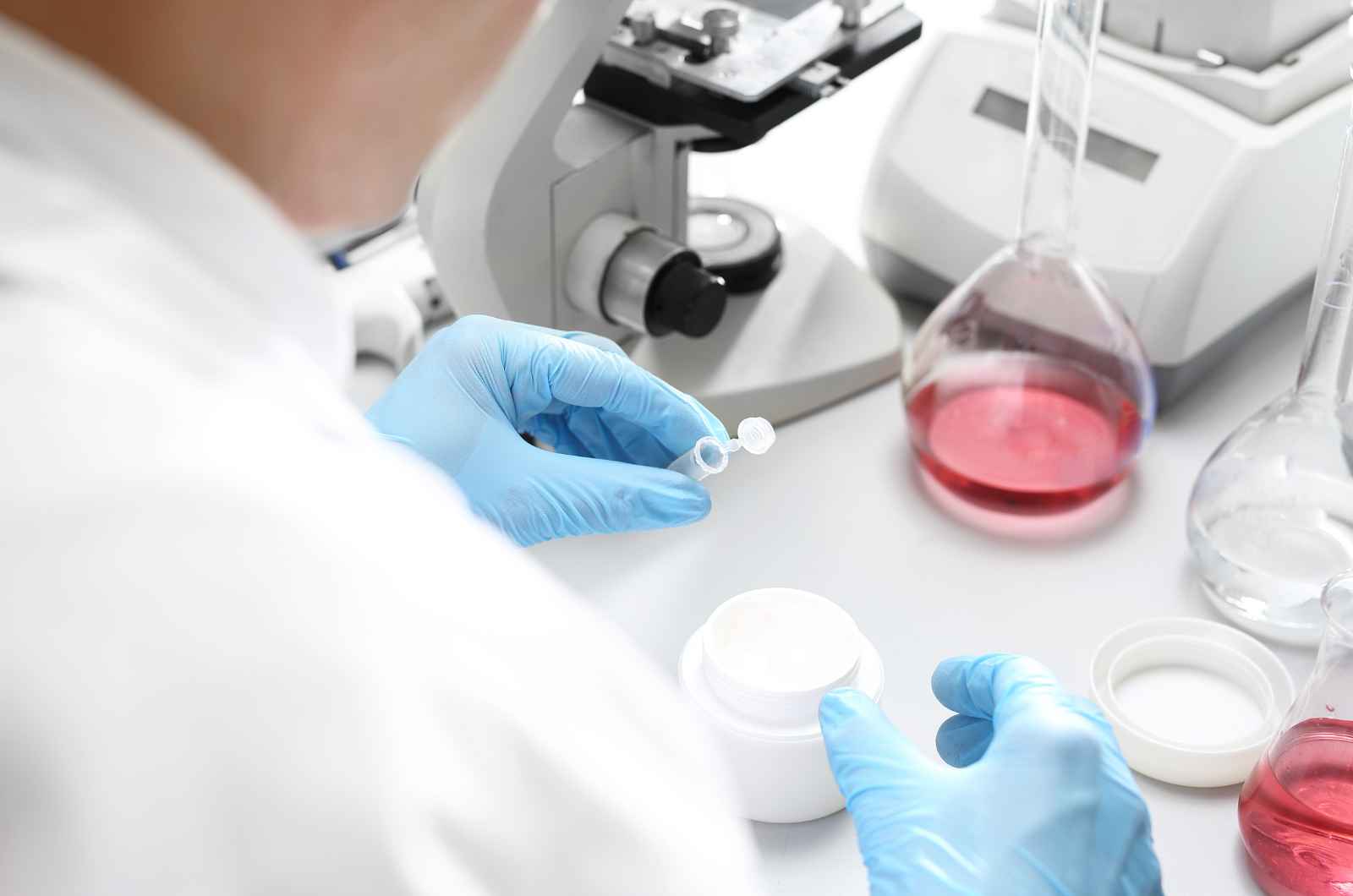
Medical device companies validate products before clinical trials by conducting human cadaver studies that evaluate device performance in authentic anatomical conditions. These pre-clinical evaluations provide critical data on device-tissue interactions, deployment accuracy, and biomechanical behavior that regulatory agencies recognize as essential evidence supporting safety and efficacy claims. Cadaveric testing bridges the gap between bench testing and clinical application by demonstrating how devices perform in the complex three-dimensional environment of human anatomy, often providing predictability that equals or exceeds animal model studies.
Why Do Regulatory Pathways Require Pre-Clinical Device Evaluation?
Regulatory agencies worldwide require demonstration of device safety before human clinical trials can begin. The development pathway from concept to market approval proceeds through increasingly rigorous evaluation stages, with pre-clinical testing serving as an essential checkpoint. Before any medical device can be used for patient care, it must undergo comprehensive evaluation that addresses potential risks while confirming intended performance characteristics. This regulatory framework protects patients from inadequately tested technologies while providing clear pathways for beneficial innovations to reach clinical practice.
The specific requirements for pre-clinical testing vary based on device classification and intended use. Class III devices presenting the highest risk typically require the most extensive evidence packages including both laboratory and animal or cadaveric studies. The U.S. Food and Drug Administration recognizes non-clinical bench performance testing including human cadaver evaluation as appropriate methods for demonstrating device characteristics. Regulatory guidance documents specifically address how test reports should describe methods, results, and conclusions to support approval applications.
What Types of Medical Devices Benefit Most from Cadaveric Testing?
Certain device categories derive particular value from human cadaver evaluation due to anatomical considerations that animal models cannot adequately address. Cardiovascular devices commonly undergo cadaveric testing, especially when evaluating performance in diseased vascular conditions. Transcatheter heart valves can be deployed in human hearts with calcified aortic roots to assess how pathology affects device deployment and positioning. Vascular stents and delivery systems can be evaluated in tortuous human vasculature that presents navigation challenges difficult to replicate in animal models.
Orthopedic devices represent another major category benefiting from cadaveric research. The biomechanical behavior of human joints, bones, and soft tissues under physiological loading differs significantly from quadruped animal models due to bipedal locomotion patterns. Spinal implants can be tested under flexion, extension, rotation, and lateral bending loads that replicate clinical use conditions. Joint replacement components can be evaluated for fixation strength in bone of varying density. Fracture fixation devices can be assessed for pullout resistance and stability in realistic osseous environments.
Devices targeting ear, nose, and throat applications frequently rely on cadaveric models because common research animals vary substantially in anatomy from humans in these regions. Neurosurgical instruments benefit from evaluation near the delicate structures of the human brain and spinal cord. Gynecological devices can be assessed in pelvic anatomy that animal models cannot adequately represent. Each specialty presents unique anatomical considerations that make human cadaver testing particularly valuable for specific device categories.
How Does Cadaver Testing Complement Animal Model Studies?
Human cadaver testing and animal studies provide complementary information that together builds comprehensive safety and efficacy evidence. Animal models offer certain advantages including the ability to assess live tissue responses, healing processes, and long-term implant behavior. However, anatomical differences between species limit the applicability of animal data to human clinical scenarios. Cadaveric testing addresses these gaps by providing data specifically relevant to human anatomy and device-tissue interactions.
The strategic integration of both testing modalities creates stronger regulatory submissions than either approach alone. Animal studies may demonstrate biocompatibility and tissue response while cadaveric studies confirm device navigability, deployment precision, and anatomical fit. Research organizations typically recommend conducting feasibility evaluation in human cadavers before committing to more expensive animal studies, allowing design refinements that reduce overall development costs and timelines.
What Biomechanical Testing Can Cadaver Laboratories Perform?
Sophisticated cadaver laboratories provide biomechanical testing capabilities that quantify device performance under realistic loading conditions. Servo-hydraulic and electromechanical testing systems can apply cyclic, axial compression, tension, and torsional loads while measuring resulting device and tissue behavior. These controlled loading scenarios simulate the forces that devices will experience during clinical use, generating data that supports engineering validation and regulatory submissions.
Imaging technologies enable visualization and characterization of device-tissue interfaces during and after testing. Fluoroscopy provides real-time assessment during device deployment and manipulation. Micro-computed tomography reveals detailed three-dimensional relationships between implants and surrounding anatomy. Optical microscopy and electron scanning electron microscopy can characterize surface interactions at microscopic scales. The combination of mechanical testing and advanced imaging generates comprehensive data packages that thoroughly document device performance.
How Do Physician Training Programs Integrate with Device Development?
The relationship between device development and physician training creates mutual benefits that cadaver laboratories are uniquely positioned to support. Before clinical trial initiation, investigators must demonstrate competency with investigational devices. According to the PubMed Central published research, physician training studies using cadavers are often performed before clinical trials begin to ensure physician readiness. This preparation reduces complications during early clinical experience when both devices and techniques are new.
Device companies benefit from physician feedback gathered during cadaveric training sessions. Surgeons using prototype devices in realistic anatomical conditions identify design refinements that improve clinical performance. The iterative process of device refinement and physician education accelerates development timelines while producing better final products. Facilities that support both device testing and physician training create efficiencies through shared infrastructure and specimen utilization.
What Quality Standards Apply to Device Testing Facilities?
Regulatory agencies expect pre-clinical testing to meet established quality standards that ensure data reliability and integrity. Good Laboratory Practice compliance provides a framework for conducting studies that regulatory bodies will accept as evidence supporting device approval applications. Facilities performing device testing typically maintain quality management systems that address personnel qualifications, equipment calibration, documentation practices, and data management procedures.
Accreditation from recognized bodies provides external validation of facility quality. Testing laboratories may seek accreditation demonstrating compliance with international standards for calibration and testing competence. Facilities handling biological specimens maintain appropriate biosafety certifications. Quality assurance programs include regular internal audits and corrective action procedures that ensure continuous compliance with applicable standards. Device companies evaluating potential testing partners assess these quality credentials as part of facility selection decisions.
How Does Specimen Selection Impact Research Validity?
The relevance of cadaveric research depends significantly on appropriate specimen selection that matches study objectives. Devices intended for use in diseased anatomy require specimens exhibiting relevant pathological conditions. Age-related characteristics affect tissue properties that influence device performance. Donor medical history including prior surgeries, chronic conditions, and treatments may impact specimen suitability for particular studies.
Sophisticated cadaver programs maintain detailed donor documentation including age, weight, body mass index, clinical conditions, and diagnostic imaging results. This information enables matching of specimens to specific research needs with documented justification for selection decisions. When specific conditions are required, programs with donor recruitment capabilities can identify appropriate subjects rather than relying on specimens that happen to be available. The ability to obtain specimens meeting particular criteria significantly enhances research value.
Pre-Clinical Medical Device Testing in Israel
Biotech Anatomy LTD https://biotechanatomy.co.il/ provides comprehensive pre-clinical testing services for medical device companies from its facility in Rehovot Science Park, Israel. Since 2017, the organization has supported medical device research and development by providing the platform and infrastructure necessary for human cadaver studies. The facility offers fully equipped surgical environments including C-arm imaging, laparoscopic equipment, and specialized instrumentation required for thorough device evaluation.
The organization distinguishes itself through comprehensive service that extends beyond facility provision. Support includes donor recruitment with matching of appropriate specimens to research needs, pre-procedure scanning using CT and MRI imaging for anatomical assessment, facility preparation tailored to specific study requirements, trained staff assistance throughout testing procedures, and proper treatment of remains following study completion. All operations proceed under Ministry of Health supervision, ensuring regulatory compliance that supports inclusion of study data in device approval submissions. Fresh frozen organs imported according to research specifications provide tissue quality that closely approximates living conditions, enabling realistic assessment of device performance.
Advancing Medical Device Innovation Through Cadaveric Research
Human cadaver testing represents an essential component of the medical device development pathway, providing validation data that regulatory agencies recognize as evidence supporting safety and efficacy claims. The unique value of cadaveric research lies in its ability to demonstrate device performance in authentic human anatomical conditions that animal models cannot replicate. As medical technology continues advancing toward increasingly sophisticated devices for challenging clinical applications, the role of cadaveric testing in development programs grows correspondingly. Investment in high-quality cadaver laboratory infrastructure directly supports medical innovation that ultimately benefits patients through safer, more effective therapeutic technologies. The contribution of body donors to this research enterprise enables advances in medical device development that improve healthcare outcomes worldwide.