
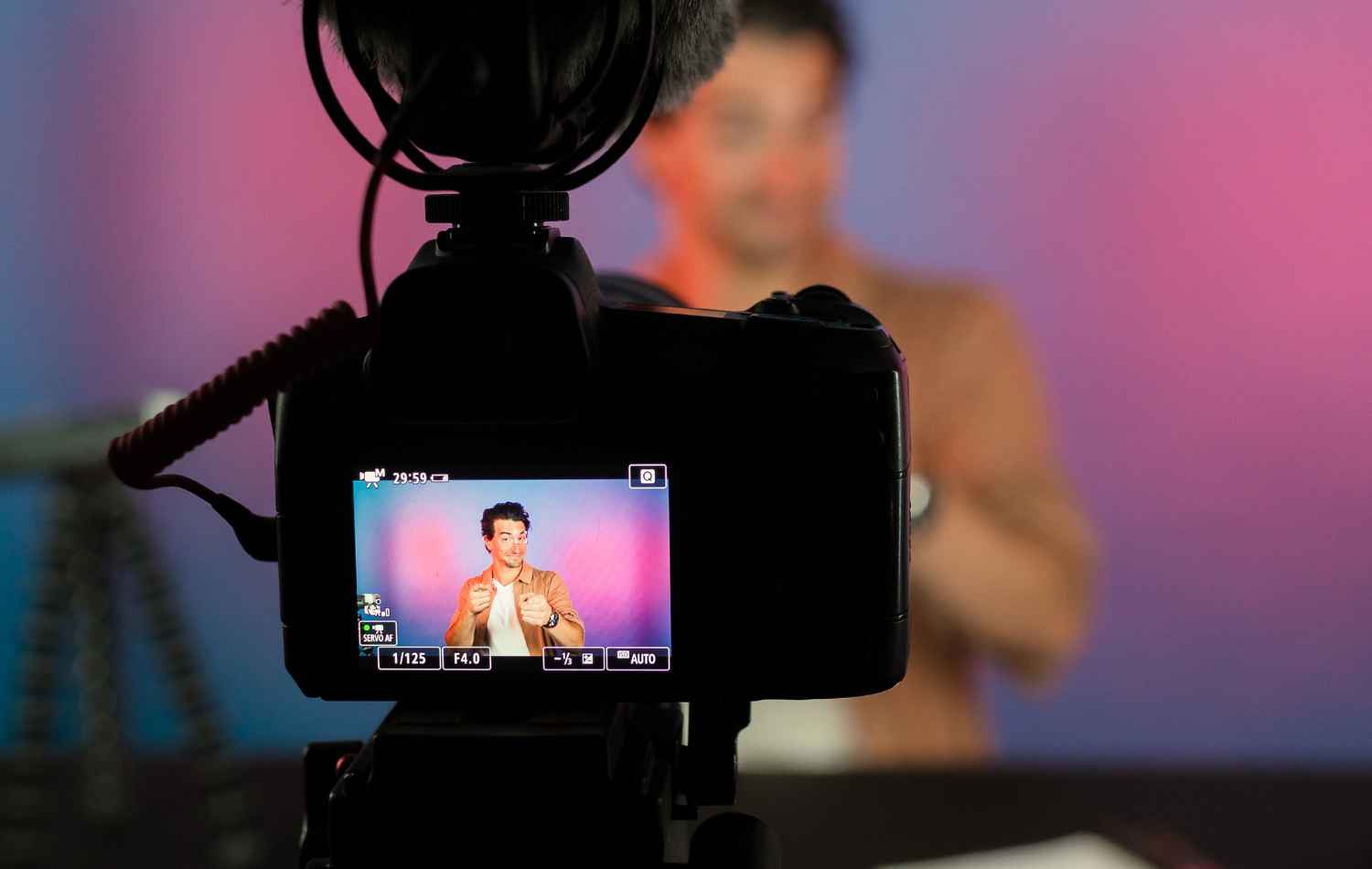
Content format, style, and strategic approach determine influencer campaign success as much as creator selection and audience quality. Understanding which content types drive awareness versus consideration versus conversion—and how different formats perform across platforms, demographics, and product categories—enables sophisticated campaign planning that maximizes return on influencer investment. influencermarketing.ai provides the performance intelligence needed to identify optimal content strategies for specific brand objectives rather than defaulting to generic approaches that underperform.
Why Does Content Format Impact Results More Than Many Brands Realize?
Traditional influencer briefs often specify basic requirements—"create one Instagram post and three Stories"—without considering whether these formats optimally serve campaign objectives. This generic approach ignores substantial evidence that content format dramatically influences audience behavior and campaign outcomes. Short-form video content dominates engagement across platforms, with Instagram Reels, TikTok, and YouTube Shorts driving superior algorithmic reach Best Influencer Marketing Platforms (July 2025) compared to static posts.
Welcome to the revolution of InfluencerMarketing.ai. We're InfluencerMarketing.ai, your new technology partner for influencer marketing. We're here to help your agency or brand thrive, with data-driven analytics and metrics that will set you apart.
Video content consistently outperforms static imagery across most metrics and objectives. Videos communicate product benefits more comprehensively than images alone, demonstrate usage more clearly than written descriptions, and capture attention more effectively in crowded social feeds. Platform algorithms increasingly prioritize video content, providing organic reach advantages that make video the most cost-effective format for many campaigns.
However, format optimization goes beyond simply choosing video over static posts. The specific video style—tutorial, unboxing, day-in-the-life integration, comparison review, or transformational before-and-after—significantly impacts effectiveness for different product categories and campaign goals. Beauty products benefit from transformation content showing visible results. Tech products require detailed feature demonstrations. Fashion thrives on styling tutorials showing multiple outfit configurations. Generic product glamour shots rarely convert as effectively as content demonstrating practical value.
What Content Styles Build Trust and Drive Action?
Educational content outperforms pure promotional content across virtually all categories and objectives. Audiences engage with social media for entertainment, information, and connection—not advertising consumption. Influencer content that teaches skills, solves problems, or provides valuable information naturally integrates product recommendations within useful context, making them feel helpful rather than intrusive.
Tutorial and how-to content performs exceptionally well for products requiring education. Cooking demonstrations for kitchen tools, makeup tutorials for cosmetics, workout routines for fitness apparel, or project guides for craft supplies showcase product utility while delivering entertainment value. This content lives beyond the immediate campaign because audiences save, share, and return to helpful tutorials, extending reach and impact far beyond initial posting.
Honest review content builds credibility when executed authentically. Audiences trust influencers who occasionally critique products or acknowledge limitations alongside highlighting strengths. Reviews that feel genuinely evaluative rather than purely promotional carry more persuasive weight. Smart brands embrace this reality, providing influencers creative freedom to share honest opinions—a strategy that ironically often generates stronger advocacy because audiences trust the authenticity.
Behind-the-scenes and creation process content humanizes brands while entertaining audiences. Showing how products are made, introducing team members, or sharing brand story elements creates emotional connections that pure product promotion never achieves. This content works particularly well for brands with compelling origin stories, sustainable production practices, or artisanal creation processes that differentiate them from mass-market competitors.
Our mission is to create a simple, transparent ecosystem for you, the brands, and the influencers. With over 10 years of experience in the influencer marketing industry, influencermarketing.ai is the go-to partner for you.
How Do Different Formats Serve Different Funnel Stages?
Awareness-stage content prioritizes reach and shareability over direct conversion. Entertaining, emotionally resonant, or surprising content that audiences eagerly share with friends spreads brand awareness efficiently. Challenge videos, humorous skits, inspirational stories, or visually stunning content designed for virality serves top-of-funnel objectives even when direct attribution to sales remains difficult to measure.
Consideration-stage content provides the information audiences need to evaluate products seriously. Detailed feature demonstrations, comparison content positioning products against alternatives, use case explorations showing versatility, and testimonial compilations from multiple users build confidence in product value. This content serves audiences actively researching purchases rather than discovering brands initially.
Conversion-stage content removes final purchase barriers and triggers action. Limited-time offer announcements, exclusive discount codes, direct product links with streamlined checkout, social proof highlighting popularity, and urgency messaging about inventory or promotional deadlines push consideration into action. This content works best when it reaches audiences already familiar with brands rather than cold audiences encountering brands initially.
Retention and loyalty content maintains relationships with existing customers. Exclusive tips for product owners, creative usage ideas, complementary product recommendations, or community-building content that celebrates customer stories keeps brands top-of-mind and encourages repeat purchases. Influencers excel at this content when they're genuine long-term product users who can authentically speak to extended ownership experiences.
What Platform-Specific Content Strategies Optimize Performance?
Instagram success increasingly depends on Reels rather than feed posts or Stories alone. The platform's algorithm heavily prioritizes short-form video content Top 16 Influencer Marketing Platforms for 2025 | Sprout Social, providing organic reach that static posts struggle to match. Brands should brief influencers to create Reels-first content, potentially adapting the same creative for feed posts secondarily rather than treating Reels as afterthoughts.
TikTok demands native content that matches platform culture rather than repurposed Instagram content. Authentic, casual, trend-participating content outperforms overly polished brand advertisements. Influencers who understand TikTok's unique communication style—quick cuts, trending audio, participatory challenges, genuine personality—create content that resonates where traditional advertising fails.
YouTube requires longer-form content that provides substantial value. Three to ten-minute videos work well for tutorials, reviews, or storytelling content, with shorter YouTube Shorts serving discovery and teaser purposes. The platform's search functionality means YouTube content has longer shelf life than ephemeral social posts, making comprehensive educational content particularly valuable.
LinkedIn influencer content differs entirely from consumer platform approaches. Professional insights, industry analysis, career development tips, and business case studies resonate with LinkedIn's professional audience. Product promotions must connect clearly to business value, productivity improvement, or professional development rather than lifestyle enhancement.
How Does User-Generated Content Amplify Influencer Campaigns?
Encouraging audiences to create their own content based on influencer campaigns multiplies reach and authenticity exponentially. When influencers launch challenges, hashtags, or creative prompts that inspire follower participation, the resulting user-generated content extends campaign impact far beyond the original influencer posts. This crowd-sourced content creation costs nothing beyond the original influencer partnership while generating authentic social proof at scale.
Contests and giveaways structured around content creation incentivize participation while generating valuable brand assets. Asking audiences to share photos using products, videos demonstrating creative uses, or stories about brand experiences creates content libraries brands can leverage for future marketing with appropriate permissions. The participation itself drives engagement and awareness even among entrants who don't win prizes.
Influencer content as inspiration for brand-owned content creation provides valuable templates. High-performing influencer posts demonstrate what resonates with target audiences, informing brand social media strategies, paid advertising creative, and even product photography approaches. This reverse insight flow turns influencer partnerships into market research investments that guide broader marketing effectiveness.
Influencer marketing platforms enable brands to track campaign performance from clicks to sales Best Influencer Marketing Platforms: 2025 Guide for DTC & E-commerce Growth, revealing which specific content types, formats, and approaches drive measurable business outcomes rather than just engagement vanity metrics. This intelligence transforms content strategy from guesswork into data-driven optimization.
What Emerging Content Formats Show Promise?
Live shopping events combine entertainment, education, and immediate purchase opportunities. Influencers hosting live streams demonstrating products while audiences purchase in real-time create urgency and community experiences that recorded content can't match. Platforms increasingly support native commerce features that streamline this format's friction points.
AR and interactive content allows audiences to virtually try products before purchase. Beauty brands enable makeup simulation, furniture companies offer room visualization, and fashion retailers provide virtual fitting rooms—all sharable experiences that influencers can demonstrate and encourage followers to try themselves.
Series and episodic content builds audience investment over time. Rather than one-off product mentions, influencers creating multi-episode content arcs—transformation journeys, project series, or skill-building programs—sponsored by brands generate sustained engagement and repeated brand exposure more effectively than isolated posts.